ASTM A276 Type 321-2 Bolts are stainless steel fastening components associated with Type 321 material. Buyers should verify the precise designation and applicable finished-fastener specification before ordering.


We are producing Fasteners in the same premises having range as Dia M 16 to Dia M 64 and Lengths up to 1200 mm for shouldered products. Un-shouldered products are manufactured up to length 6000 mm. Our present installed capacity for fasteners is 600 MT/Annum and is being expanded continuously.
ASTM A276 Type 321-2 Bolts
ASTM A276 Type 321-2 Bolts are fastening components associated with Type 321 stainless steel, an austenitic stainless steel grade stabilized with titanium to help reduce the risk of chromium carbide precipitation during exposure to elevated temperatures. These bolts are intended for fastening applications where corrosion resistance, mechanical reliability, and resistance to heat-related sensitization are important. Real Fasteners offers stainless steel fastening solutions for industrial buyers requiring dependable components for demanding operating environments.
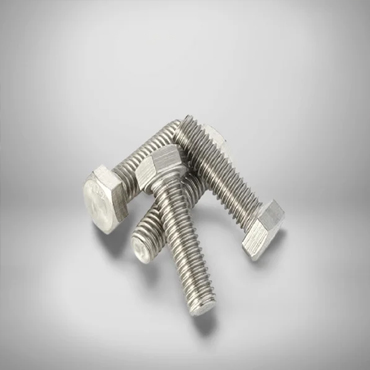
Table of Contents
- 01What is ASTM A276 Type 321-2 Bolts?
- 02What are the Advantages of ASTM A276 Type 321-2 Bolts?
- 03What are the Applications of ASTM A276 Type 321-2 Bolts?
- 04What are the Specifications of ASTM A276 Type 321-2 Bolts?
- 05People Also Search For ASTM A276 Type 321-2 Bolts?
- 06FAQ For ASTM A276 Type 321-2 Bolts?
ASTM A276 is a standard specification covering stainless steel bars and shapes, including various grades and product forms. It is important to verify the applicable product specification when purchasing bolts because ASTM A276 primarily addresses bar and shape materials rather than establishing a complete set of requirements for finished bolts. Depending on the project, the finished fastener may need to comply with additional fastener specifications, dimensional standards, mechanical requirements, and testing procedures. Buyers should confirm that the material grade, product form, manufacturing route, and documentation meet the intended application.
Type 321 stainless steel contains titanium as a stabilizing element. This helps improve resistance to intergranular corrosion that can occur after certain thermal exposures. Its austenitic structure also provides useful corrosion resistance in many industrial environments. These characteristics make Type 321 stainless steel a material option for fastening systems used in equipment exposed to heat, temperature fluctuations, and selected corrosive conditions.
ASTM A276 Type 321-2 Bolts Manufacturers, ASTM A276 Type 321-2 Bolts Suppliers, ASTM A276 Type 321-2 Bolts Stockists, ASTM A276 Type 321-2 Bolts Exporters

ASTM A276 Type 321-2 Bolts can be specified in different diameters, lengths, thread configurations, and head styles according to project requirements and the relevant fastener standards. Common bolt configurations may include hex head bolts, threaded bolts, and other engineered fastening designs, subject to material availability and the applicable manufacturing specification. Selection should consider the operating temperature, load, chemical exposure, installation method, and compatibility with mating components.
Real Fasteners supports industrial procurement requirements by helping customers identify suitable stainless steel fasteners for engineering, maintenance, fabrication, and equipment assembly projects. Before placing an order, buyers should confirm the exact meaning of the designation Type 321-2 with the project engineer or material specification, as this designation should not be assumed to represent a universally standardized bolt grade.
Advantages of ASTM A276 Type 321-2 Bolts
Type 321 stainless steel offers resistance to corrosion in many atmospheric and industrial environments. Its chromium-rich passive surface helps protect the underlying metal from general corrosion under suitable conditions. This property is useful in equipment assemblies, processing installations, and industrial structures where fasteners must maintain their integrity during regular operation. Actual corrosion performance depends on the chemical environment, temperature, surface condition, and maintenance practices.
Titanium stabilization is a key characteristic of Type 321 stainless steel. It helps limit chromium carbide formation during certain elevated-temperature exposures, supporting resistance to intergranular corrosion under appropriate conditions. This characteristic can be valuable for fastening applications involving welding-related thermal cycles or service conditions where sensitization is a concern. Correct material identification and compliance with the applicable product specification remain essential.
Type 321 stainless steel is used in applications involving elevated temperatures because of its metallurgical characteristics and resistance to sensitization. Fasteners made from an appropriately specified Type 321 material may be suitable for selected heated equipment, exhaust assemblies, and process installations. Engineers should evaluate the actual service temperature, sustained loading, thermal cycling, oxidation conditions, and relevant mechanical properties before approving the fasteners for high-temperature duty.
Selecting a suitable stainless steel fastener can help support the reliability of industrial assemblies. Resistance to corrosion and appropriate mechanical performance may reduce premature deterioration when the material is correctly matched to the operating environment. Fastener reliability also depends on thread quality, dimensional accuracy, installation torque, joint design, surface finish, and compatibility with the connected materials.
In suitable service conditions, stainless steel bolts can help reduce the frequency of corrosion-related replacement and maintenance. This can be particularly useful in equipment that is difficult to access or requires planned shutdowns for servicing. Maintenance savings are not guaranteed and depend on exposure conditions, inspection schedules, installation practices, and the overall design of the fastening system.
Type 321 stainless steel can be considered for a range of industrial fastening applications involving heat exposure and selected corrosive environments. Its material characteristics may support use in chemical processing equipment, thermal systems, industrial fabrication, and specialized machinery. Engineers should evaluate whether Type 321 is more appropriate than alternatives such as Types 304, 316, or other heat-resistant alloys for each application.
Bolts are essential to joining structural parts, equipment housings, pipe supports, machine components, and fabricated assemblies. ASTM A276 Type 321-2 Bolts can be specified with dimensions and thread configurations suitable for a particular project when the required manufacturing and inspection criteria are established. Compatibility with nuts, washers, mating materials, and the required tightening procedure should be checked before installation.
Industrial Applications of ASTM A276 Type 321-2 Bolts
Chemical processing facilities use stainless steel fasteners in equipment frames, selected process assemblies, storage systems, and supporting structures. Type 321 may be considered where thermal exposure and resistance to sensitization are relevant. The specific chemicals, concentrations, operating temperatures, and cleaning agents must be reviewed to ensure that the material is suitable for the actual process conditions.
Oil and gas installations contain equipment and structural assemblies that require dependable fastening components. Stainless steel bolts may be used in selected auxiliary systems, supports, enclosures, and industrial equipment. For offshore, subsea, sour-service, or high-pressure applications, buyers must verify all project-specific requirements rather than relying on the stainless steel grade alone.
Power generation facilities use fastening systems in auxiliary equipment, thermal installations, machinery, and structural assemblies. Type 321 stainless steel may be evaluated for components exposed to elevated temperatures or thermal cycling. The suitability of the finished bolt depends on its verified material composition, strength requirements, temperature rating, applicable fastener specification, and operating conditions.
Industrial furnaces, heat treatment installations, and thermal processing systems may require fasteners that tolerate temperature variations. Type 321's titanium stabilization can be relevant in applications where resistance to sensitization is required. Engineers should assess sustained temperature, thermal expansion, oxidation, mechanical loading, and the possibility of creep before selecting a bolt for such equipment.
Selected exhaust assemblies and industrial emission-control equipment operate under changing temperatures and may expose fasteners to moisture or corrosive gases. Stainless steel fasteners can provide useful corrosion resistance when the grade is correctly selected. Type 321 may be considered for certain heat-exposed assemblies, subject to verification of temperature limits, environmental compatibility, and mechanical requirements.
Fabrication workshops and machinery manufacturers use bolts to secure brackets, frames, panels, equipment housings, and machine components. ASTM A276 Type 321-2 Bolts may be specified for assemblies where stainless steel material characteristics are required. Correct bolt dimensions, thread tolerances, head style, and mechanical properties are necessary to ensure secure installation and consistent performance.
Stainless steel fastening components are used in selected food-processing equipment, thermal processing machinery, and industrial production lines. Material selection must account for cleaning chemicals, moisture, sanitation requirements, and the risk of contamination. Type 321 should be chosen only when its specific characteristics satisfy the equipment design and hygiene requirements; it should not automatically be treated as the preferred grade for every food-contact application.
ASTM A276 Type 321-2 Bolts Manufacturers in India, ASTM A276 Type 321-2 Bolts Suppliers in India, ASTM A276 Type 321-2 Bolts Stockists in India, ASTM A276 Type 321-2 Bolts Exporters in India
Real Fasteners serves industrial buyers looking for reliable stainless steel fastening products for fabrication, engineering, maintenance, and equipment manufacturing. As a source for ASTM A276 Type 321-2 Bolts Manufacturers related procurement requirements, customers can discuss material identification, required dimensions, thread configurations, applicable standards, and inspection documentation to support their project specifications. Product suitability should always be confirmed against the approved technical requirements.
Companies searching for ASTM A276 Type 321-2 Bolts Suppliers can specify the quantity, bolt diameter, length, head type, thread pitch, material grade, and intended operating environment when requesting a quotation. Clear technical details help suppliers determine availability and identify whether additional fastener standards, material test certificates, or inspection requirements apply to the order.
Industrial purchasing teams that need ASTM A276 Type 321-2 Bolts Stockists can provide their size schedule, delivery location, quantity requirements, and expected delivery timeline to establish stock availability. For maintenance and shutdown projects, confirming the exact material designation and dimensions before dispatch helps reduce the risk of receiving incompatible fasteners or components that do not meet the required specification.
International buyers sourcing through ASTM A276 Type 321-2 Bolts Exporters should verify the applicable material and finished-fastener standards, packaging requirements, shipping documentation, and destination-country import conditions. Export orders may require material test certificates, inspection reports, traceability records, and specific packaging or marking instructions. These requirements should be agreed upon before order confirmation to support a smooth procurement process.
Material Options for ASTM A276 Type 321-2 Bolts
ASTM A276 Type 321-2 Bolts should be purchased against a clearly defined technical specification. ASTM A276 covers stainless steel bars and shapes, so buyers should verify whether the supplied raw material and finished fastener are governed by the standards specified in the purchase order. Where necessary, a relevant finished-fastener specification should establish the mechanical properties, manufacturing requirements, dimensions, testing, and acceptance criteria.
Important ordering details include the stainless steel grade, material designation, bolt diameter, overall length, thread type, thread pitch, head configuration, tolerance requirements, and required quantity. Buyers should also specify the operating temperature, corrosive exposure, design load, and any restrictions concerning manufacturing methods or surface treatments.
Material certification can help establish traceability and confirm chemical composition and other specified characteristics. Depending on the order, buyers may request a material test certificate, dimensional inspection report, or other documentation required by the applicable standard. Any claims regarding compliance should be supported by the actual certification and inspection records for the supplied product.
Pricing depends on the quantity ordered, dimensions, raw material cost, manufacturing requirements, finishing, testing, certification, and delivery destination. Since the designation ASTM A276 Type 321-2 Bolts may require clarification, buyers should provide the original engineering specification or drawing when requesting a quotation. This helps ensure that the proposed fastener matches the required material and performance criteria.
Real Fasteners supports industrial purchasing requirements for stainless steel fasteners by helping buyers communicate technical specifications and procurement needs. Confirming the material designation, finished-fastener standard, dimensional requirements, and documentation before ordering is essential for dependable installation and service performance.
ASTM A276 Type 321-2 Bolts Manufacturers in Mumbai, ASTM A276 Type 321-2 Bolts Suppliers in Mumbai, ASTM A276 Type 321-2 Bolts Stockists in Mumbai, ASTM A276 Type 321-2 Bolts Exporters in Mumbai
Why Choose Real Fasteners for ASTM A276 Type 321-2 Bolts?
Real Fasteners supports industrial fastening requirements with a focus on product identification, specification alignment, and procurement coordination. Accurate product descriptions and clearly defined purchasing requirements help buyers communicate with engineering, quality assurance, and procurement teams.
Whether the requirement concerns replacement fasteners, new plant installations, maintenance shutdowns, or a larger industrial project, buyers should provide complete technical details to support appropriate product selection. Requirements may include ASTM grade and class, bolt dimensions, quantity, material certification, finish, and delivery destination.
By confirming these details at the enquiry stage, customers can reduce the risk of receiving fasteners that do not match their drawings or operating conditions. Real Fasteners can assess enquiries for ASTM A276 Type 321-2 Bolts according to the requested specification and confirmed supply availability.
Specifications of ASTM A276 Type 321-2 Bolts?
| Specification | Details |
|---|---|
| Product Name | ASTM A276 Type 321-2 Bolts |
| Material | Stainless Steel 321 |
| Material Standard | ASTM A276 (subject to verification for the supplied material) |
| Material Grade | Type 321 Stainless Steel |
| Material Structure | Austenitic Stainless Steel |
| Stabilizing Element | Titanium |
| Bolt Types | Hex Bolts, Threaded Bolts, and Custom Bolts as per requirements |
| Size | As per Customer Requirement |
| Diameter | As per Customer Requirement |
| Length | As per Customer Requirement |
| Thread Type | Metric, UNC, UNF, or as specified |
| Thread Standard | As per applicable fastener specification |
| Surface Finish | Plain, Pickled, or as specified |
| Corrosion Resistance | Good resistance in suitable environments |
| Temperature Resistance | Suitable for selected elevated-temperature applications, subject to engineering verification |
| Applications | Chemical Processing, Power Generation, Industrial Machinery, Thermal Equipment, and Fabrication |
| Testing | As per applicable standards and customer requirements |
| Certification | Material Test Certificate (MTC) available upon request, subject to order requirements |
| Packaging | As per Customer Requirement |
| Manufacturer | Real Fasteners |
People Also Search for ASTM A276 Type 321-2 Bolts?
ASTM A276 Type 321-2 Bolts, Type 321 Stainless Steel Bolts, ASTM A276 Stainless Steel Bolts, Stainless Steel 321 Bolts, SS 321 Fasteners, Titanium Stabilized Stainless Steel Bolts, High Temperature Stainless Steel Bolts, Corrosion Resistant Stainless Steel Bolts, Stainless Steel Hex Bolts, Stainless Steel Threaded Bolts, Type 321 Stainless Steel Fasteners, Stainless Steel Bolts Manufacturers, Stainless Steel Bolts Suppliers, Stainless Steel Bolts Stockists, Stainless Steel Bolts Exporters, ASTM A276 Type 321 Material, Stainless Steel Bolt Specifications, Stainless Steel Bolt Dimensions, Stainless Steel Bolt Price, Industrial Stainless Steel Fasteners, Heat Resistant Stainless Steel Fasteners, Chemical Processing Fasteners, Power Plant Stainless Steel Bolts, Industrial Furnace Bolts, Stainless Steel Bolts in India, Type 321 Bolts in India, Stainless Steel Fastener Standards, Stainless Steel Material Test Certificate, Stainless Steel Bolts for High Temperature Applications, Real Fasteners Stainless Steel Bolts
Frequently Asked Questions for ASTM A276 Type 321-2 Bolts?
-
What are ASTM A276 Type 321-2 Bolts?
-
What are the advantages of Type 321 stainless steel bolts?Type 321 stainless steel offers corrosion resistance in suitable environments and titanium stabilization that helps reduce the risk of intergranular corrosion following certain thermal exposures.
-
What industries use ASTM A276 Type 321-2 Bolts?Potential applications include chemical processing, power generation, thermal equipment, industrial machinery, fabrication and selected exhaust systems, subject to engineering approval.
-
Are ASTM A276 Type 321-2 Bolts suitable for high-temperature applications?Type 321 stainless steel is used in selected elevated-temperature applications. The suitability of a finished bolt depends on service temperature, mechanical loading, thermal cycling and the applicable fastener specification.
-
How can I order ASTM A276 Type 321-2 Bolts from Real Fasteners?Provide the required material designation, bolt dimensions, thread specifications, quantity, applicable standards and certification requirements to Real Fasteners for availability and quotation confirmation.