Tie rods are used to connect, support, and stabilize structural or mechanical components. Common applications include concrete formwork, structural bracing, industrial machinery, hydraulic equipment, and engineering assemblies requiring tensile strength.


We are producing Fasteners in the same premises having range as Dia M 16 to Dia M 64 and Lengths up to 1200 mm for shouldered products. Un-shouldered products are manufactured up to length 6000 mm. Our present installed capacity for fasteners is 600 MT/Annum and is being expanded continuously.
Tie Rods
Tie rods are mechanical fastening components designed to connect, secure, support, and maintain alignment between structural or mechanical elements. They are commonly manufactured from carbon steel, alloy steel, and stainless steel to provide the required strength, durability, and resistance to environmental conditions. Tie rods are typically threaded along their full length or at both ends, allowing them to be assembled with nuts, washers, clevises, or other fastening accessories.
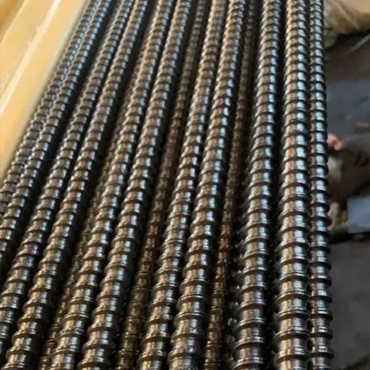
In industrial applications, tie rods are used to resist tensile forces, maintain structural stability, and hold components in their intended positions. Their dimensions, material grades, thread configurations, and surface finishes are selected according to the load requirements and operating environment. Depending on the application, tie rods can be supplied in different diameters, lengths, thread pitches, and configurations to meet specific engineering requirements.
Real Fasteners offers tie rod solutions for industrial, construction, infrastructure, and mechanical applications. These fastening components are suitable for projects that require reliable connections, consistent dimensional accuracy, and dependable mechanical performance. Customers can specify the required material, dimensions, thread type, coating, and applicable standards to match their project specifications.
Tie Rods Manufacturers, Tie Rods Suppliers, Tie Rods Stockists, Tie Rods Exporters

Tie rods are widely used in structural frameworks, formwork systems, industrial machinery, equipment assemblies, and other applications where controlled tension and secure fastening are essential. Selecting the correct tie rod involves considering tensile strength, thread engagement, corrosion exposure, installation conditions, and the expected service life of the assembly.
Advantages of Tie Rods
Tie rods provide several functional advantages across industrial and structural applications. Their ability to withstand tensile loading makes them suitable for assemblies that require dependable support and controlled positioning. When selected according to the required load capacity and design specifications, they can contribute to the stability and service life of the complete structure.
One significant advantage of tie rods is their versatility. They can be manufactured or supplied in different lengths, diameters, thread configurations, and material grades. This flexibility allows engineers and contractors to select fastening solutions for a wide range of structural and mechanical requirements. Custom dimensions can also help accommodate specific installation conditions.
Another advantage is their straightforward installation and maintenance. Threaded tie rods can be assembled with compatible nuts and accessories, allowing secure connections and convenient adjustment where the design permits. Damaged or worn components can often be replaced without dismantling the entire structure, depending on the assembly design.
Material selection also contributes to the performance of tie rods. Carbon steel options are commonly selected for general structural and industrial use, while stainless steel grades can be considered for applications requiring improved corrosion resistance. Alloy steel options may be suitable for demanding mechanical requirements when supported by the appropriate material specifications.
Tie rods can also provide dependable dimensional consistency when manufactured and inspected according to the specified tolerances. Correct thread dimensions, material properties, and surface treatments help ensure compatibility with mating components and support reliable installation.
Industrial Applications of Tie Rods
Tie rods are used across multiple industries for structural support, tension control, equipment assembly, and fastening applications. Their design flexibility and availability in different material grades make them suitable for both standard industrial projects and specialized engineering requirements.
In the construction industry, tie rods are frequently used in concrete formwork systems to hold form panels in position and resist the pressure exerted by fresh concrete. They are also used in structural bracing, foundation assemblies, and support arrangements where properly engineered tensile connections are required. provide products in specified lengths, diameters, and thread configurations to support the requirements of construction contractors and infrastructure developers.
Industrial machinery and equipment manufacturers use tie rods to connect machine components, maintain alignment, and support assemblies exposed to tensile forces. They can be found in hydraulic cylinders, presses, mechanical equipment, and selected manufacturing systems, depending on the design. serve industrial buyers by providing material options and fastening configurations suitable for machinery installation, maintenance, and equipment manufacturing requirements.
In infrastructure and structural engineering, tie rods are used in tension bracing, roof support systems, structural frameworks, and selected bridge or architectural assemblies. They help transfer tensile loads between connected components when incorporated into an appropriately designed system. support project procurement by maintaining commonly required sizes, materials, and threaded configurations for construction, fabrication, and maintenance applications, subject to stock availability.
Tie rods are also used in automotive systems, agricultural equipment, marine assemblies, and general engineering applications where threaded tension members are required. Stainless steel tie rods may be selected for environments where corrosion resistance is important, while other material grades are chosen according to strength and operating conditions. cater to international buyers seeking specified materials, dimensions, thread forms, and surface finishes for industrial projects and equipment manufacturing.
Tie Rods Manufacturers in India, Tie Rods Suppliers in India, Tie Rods Stockists in India, Tie Rods Exporters in India
Material Options for Tie Rods
Choosing the appropriate tie rod material is essential for achieving the required mechanical performance and durability. Carbon steel is commonly used for general-purpose fastening and structural applications. Alloy steel may be selected for applications requiring specific strength characteristics, while stainless steel is often considered for environments exposed to moisture or corrosive conditions.
Tie rods can be supplied in metric or imperial dimensions, with thread configurations selected according to the mating components and engineering requirements. Common considerations include nominal diameter, overall length, thread pitch, thread length, material grade, tensile properties, and surface finish. Depending on the application, finishes such as plain, zinc-plated, or other specified protective coatings may be considered.
Applicable standards depend on the tie rod's intended use, material, manufacturing method, and project requirements. ASTM, ISO, DIN, and other relevant specifications may be referenced where applicable. The exact standard and grade should be confirmed against the engineering drawing or purchase specification rather than assumed to apply to every tie rod.
Tie Rods Manufacturers in Mumbai, Tie Rods Suppliers in Mumbai, Tie Rods Stockists in Mumbai, Tie Rods Exporters in Mumbai
Why Choose Real Fasteners for Tie Rods?
Real Fasteners caters to industrial and commercial fastening requirements with a focus on product specifications, material selection, and customer requirements. Tie rods can be sourced according to the dimensions, grades, thread configurations, and finishing requirements specified for the application.
For construction companies, engineering contractors, equipment manufacturers, and industrial procurement teams, selecting the correct fastening component is essential to maintaining assembly compatibility and operational reliability. Real Fasteners supports buyers looking for tie rods for new projects, equipment manufacturing, maintenance, and replacement requirements.
Whether the requirement involves standard threaded tie rods or application-specific configurations, buyers should provide the required dimensions, material grade, quantity, applicable standard, and surface finish to help identify a suitable product. Product availability, pricing, and lead time are confirmed according to the final specifications and order quantity.
Specifications of Tie Rods?
| Specifications | Details |
|---|---|
| Product Name | Tie Rods |
| Material | Carbon Steel, Alloy Steel, Stainless Steel |
| Standards | ASTM, DIN, ISO, and other applicable standards |
| Material Grades | ASTM A36, ASTM A193, ASTM A320, SS 304, SS 316, and other grades as specified |
| Diameter | As per Customer Requirement |
| Length | As per Customer Requirement |
| Thread Type | Metric, UNC, UNF, or as specified |
| Thread Configuration | Fully Threaded or Threaded at Both Ends |
| Thread Pitch | As per Customer Requirement |
| Surface Finish | Plain, Black Oxide, Zinc Plated, Hot-Dip Galvanized, or as specified |
| Manufacturing Type | Standard and Custom-Made |
| Load Capacity | As per Material Grade and Design Requirements |
| Coating | As per Customer Requirement |
| Testing | Mechanical and Dimensional Testing as per Applicable Specifications |
| Packaging | Standard or Customized Export Packaging |
| Applications | Construction, Infrastructure, Structural Support, Industrial Machinery, and Engineering |
| Supplier | Real Fasteners |
People Also Search for Tie Rods?
Tie Rods bolt, Tie Rods fastener, Tie Rods dimensions, Tie Rods specifications, Tie Rods material grades, Tie Rods price, Tie Rods supplier in India, Tie Rods manufacturer in India, Tie Rods exporters, threaded Tie Rods, double ended threaded fastener, double end stud, double end stud bolt, double end screw, custom Tie Rods, stainless steel Tie Rods, carbon steel Tie Rods, alloy steel Tie Rods, industrial Tie Rods, Tie Rods applications, Tie Rods thread types, Tie Rods size chart, Tie Rods ASME standards, Tie Rods bulk suppliers, Zinc Plated Studs stock availability, Zinc Plated Studs for machinery, Zinc Plated Studs for industrial equipment, Zinc Plated Studs wholesale, Zinc Plated Studs manufacturers in US, Zinc Plated Studs fastening solutions
Frequently Asked Questions for Hex Bolts?
-
What are tie rods used for?
-
Which materials are available for tie rods?Tie rods can be supplied in carbon steel, alloy steel, and stainless steel, depending on the required strength, corrosion resistance, and application conditions. Material grade should be selected according to the project specifications.
-
Can tie rods be supplied in custom sizes?Yes, tie rods can be sourced in different diameters, lengths, thread configurations, and finishes according to customer requirements, subject to manufacturing capabilities and availability.
-
Which standards apply to industrial tie rods?Depending on the material and application, tie rods may be specified to relevant ASTM, DIN, ISO, or other engineering standards. The applicable standard should be confirmed from the project's technical drawings or purchase specifications.
-
How can I request a quote for tie rods from Real Fasteners?To request a quotation from Real Fasteners, provide the required material grade, diameter, length, thread type, surface finish, quantity, and applicable standard. Pricing and availability can then be confirmed based on the specified requirements.