Resin anchor bolts are used to secure structural steel, machinery, base plates, brackets and other components to concrete or solid masonry using a chemical resin bonding system.


We are producing Fasteners in the same premises having range as Dia M 16 to Dia M 64 and Lengths up to 1200 mm for shouldered products. Un-shouldered products are manufactured up to length 6000 mm. Our present installed capacity for fasteners is 600 MT/Annum and is being expanded continuously.
Resin Anchor Bolts
Resin Anchor Bolts are specialised fastening components designed to secure structural elements, machinery, steel supports and other equipment to concrete, masonry or solid rock. These anchors use a chemical resin bonding system to create a strong connection between the anchor bolt and the base material. Unlike conventional expansion anchors, resin anchor bolts rely on adhesive bonding rather than mechanical expansion, making them suitable for applications where high load capacity, reliable anchoring and reduced stress on the base material are important.
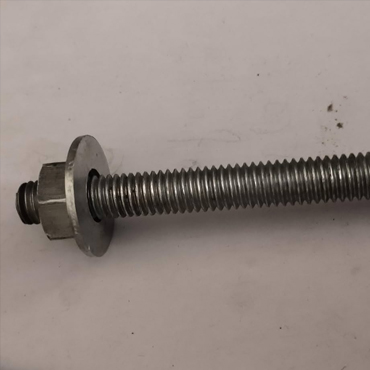
Real Fasteners offers Resin Anchor Bolts for industrial, construction, infrastructure and engineering requirements. These fastening solutions are used in applications that demand dependable holding strength, dimensional accuracy and long-term structural stability. Depending on the project specifications, resin anchor bolts can be supplied in different diameters, lengths, thread configurations and material grades to suit specific installation and load requirements.
The resin anchoring system typically consists of a threaded metal rod or anchor bolt installed into a pre-drilled hole with a suitable chemical resin or adhesive capsule. Once the resin cures, it bonds the anchor to the surrounding substrate, creating a secure fastening connection. The performance of the completed anchor depends on the resin formulation, bolt material, embedment depth, concrete condition, hole preparation and curing time. Proper installation and compliance with the applicable engineering requirements are essential for achieving the intended anchoring performance.
Resin Anchor Bolts Manufacturers, Resin Anchor Bolts Suppliers, Resin Anchor Bolts Stockists, Resin Anchor Bolts Exporters

Advantages of Resin Anchor Bolts
Resin Anchor Bolts offer several advantages for structural and industrial fastening applications. Their chemical bonding mechanism provides a reliable anchoring solution where conventional mechanical fasteners may not be suitable. They can be used in a wide range of concrete fastening applications, including installations requiring close edge distances or specific embedment depths, subject to the approved anchoring system and engineering design.
One of the main advantages of resin anchor bolts is their ability to distribute loads through the bonded surface between the anchor and the substrate. Since they do not depend on expansion forces in the same way as mechanical anchors, they can help reduce localised stress within the concrete. This makes them useful for engineered installations in which the risk of concrete splitting or edge damage must be carefully considered.
Another important benefit is their versatility. Resin anchor bolts can be specified in various bolt diameters, lengths, thread types and metal grades. Stainless steel and carbon steel options may be selected according to the environmental conditions, corrosion protection requirements and structural demands of the project. The flexibility of chemical anchoring systems allows engineers to select suitable combinations for new construction, structural retrofitting and equipment installation.
Resin anchor bolts are also suitable for applications requiring secure fastening in demanding environments. When the correct resin system and bolt material are selected, they can provide dependable anchoring performance under specified loading and service conditions. Their suitability for static, dynamic or specialised loads must be confirmed through the relevant product approvals and engineering calculations.
Industrial Applications of Resin Anchor Bolts
Resin Anchor Bolts are widely used in construction and infrastructure projects where structural components need to be securely fastened to concrete foundations. They are commonly specified for fixing steel columns, base plates, support brackets, handrails and structural frames. Their chemical bonding mechanism makes them suitable for a variety of anchoring conditions, provided that the selected resin system is approved for the substrate and loading requirements.
As a reliable fastening solution, cater to industrial construction companies, engineering contractors and infrastructure developers requiring dependable anchoring components. These products are used for securing machinery foundations, structural steelwork, equipment supports and heavy-duty fixtures. Manufacturers may offer different material grades, thread dimensions and bolt configurations to meet project drawings, technical specifications and installation requirements.
For projects requiring consistent product quality and dependable supply, support construction contractors, fabrication companies and industrial buyers with fastening products for a wide range of applications. Resin anchor bolts are used in power plants, manufacturing facilities, commercial buildings and infrastructure installations. Selecting the appropriate bolt and compatible resin system helps ensure that the anchoring arrangement meets the required performance criteria.
Reliable inventory and product availability are important for projects involving large quantities of fastening components. help meet procurement requirements by maintaining suitable ranges of anchor bolts in different sizes, materials and configurations. These products are used for structural repairs, foundation installations, equipment mounting and building maintenance projects where the correct dimensions and material specifications are essential for installation accuracy.
International construction and industrial projects require fastening products that meet specified dimensional, material and quality requirements. cater to overseas buyers, engineering procurement companies, infrastructure contractors and industrial distributors seeking chemical anchoring solutions. Resin anchor bolts are supplied for applications such as concrete reinforcement projects, industrial plant construction, steel structure installation and machinery foundation work, subject to the applicable project standards and export requirements.
Resin Anchor Bolts Manufacturers in India, Resin Anchor Bolts Suppliers in India, Resin Anchor Bolts Stockists in India, Resin Anchor Bolts Exporters in India
Material Options for Resin Anchor Bolts
Resin anchor bolts are available in different materials depending on the operating environment and required mechanical properties. Carbon steel anchor bolts may be selected for general structural applications, while stainless steel options are often considered for installations exposed to moisture, chemicals or corrosive conditions. The final material selection should account for tensile strength, corrosion resistance, substrate condition and the service environment.
Commonly specified material options include carbon steel, stainless steel grades such as 304 and 316, and other materials as required by the project. Applicable standards may include ISO, ASTM, EN or other project-specific requirements. The precise standard, bolt grade and resin system should be verified against the manufacturer's technical documentation and the engineer's approved design.
Correct installation is essential for achieving the intended performance of resin anchor bolts. The concrete or masonry substrate must be assessed before drilling, and the hole should be prepared according to the resin manufacturer's instructions. Dust, moisture and other contaminants can affect the bond strength if the selected anchoring system does not permit those conditions.
The anchor bolt must be installed at the specified embedment depth, and the resin must be allowed to cure for the required time before the anchor is loaded. Temperature, concrete condition, hole diameter and resin type can influence curing time and anchoring performance. For safety-critical applications, installation should be carried out by trained personnel in accordance with approved procedures.
Resin Anchor Bolts Manufacturers in Mumbai, Resin Anchor Bolts Suppliers in Mumbai, Resin Anchor Bolts Stockists in Mumbai, Resin Anchor Bolts Exporters in Mumbai
Why Choose Real Fasteners for Resin Anchor Bolts?
Real Fasteners caters to industrial and construction fastening requirements with a focus on product quality, material selection and customer specifications. Resin anchor bolts can be sourced according to required dimensions, material grades, thread configurations and application needs. This flexibility helps buyers identify fastening solutions suitable for structural, commercial and industrial projects.
From individual procurement requirements to bulk industrial orders, Real Fasteners supports buyers seeking dependable fastening components for diverse applications. Customers can specify their required bolt dimensions, material, quantity and applicable standards to identify a suitable product for their project.
Specifications of Resin Anchor Bolts?
| Specification | Details |
|---|---|
| Product Name | Resin Anchor Bolts |
| Material | Carbon Steel, Alloy Steel, Stainless Steel |
| Standards | ASTM F1554, ASTM A307, ASTM A193, DIN, ISO, IS or As Per Customer Requirement |
| Grades | ASTM F1554 Grade 36, Grade 55, Grade 105, ASTM A307, SS 304, SS 316, and Other Grades as Required |
| Types | L-Type, J-Type, Straight Anchor Bolts, Headed Anchor Bolts, Threaded Anchor Bolts |
| Diameter | As Per Customer Requirement |
| Length | As Per Customer Requirement |
| Thread Type | Metric, UNC, UNF, or As Per Customer Requirement |
| Thread Length | As Per Customer Requirement |
| Assembly Components | Anchor Bolts, Nuts, Washers, and Other Accessories as Required |
| Surface Finish | Black, Plain, Zinc Plated, Hot-Dip Galvanized, or As Required |
| Coating | As Per Customer Requirement |
| Manufacturing Process | Forging, Threading, Machining, and Other Suitable Processes |
| Load Capacity | As Per Engineering Design and Customer Requirement |
| Dimensions | As Per Approved Drawings or Customer Specifications |
| Testing | Mechanical Testing, Dimensional Inspection, and Other Tests as Specified |
| Packaging | Standard Export Packaging or As Per Customer Requirement |
| Application | Construction, Structural Steel, Concrete Foundations, Industrial Machinery, Infrastructure, and Power Plants |
People Also Search for Threaded Bars?
Resin Anchor Bolts, Foundation Anchor Bolts, Structural Anchor Bolts, L Type Anchor Bolts, J Type Anchor Bolts, Straight Anchor Bolts, Heavy Duty Anchor Bolts, Galvanized Anchor Bolts, Stainless Steel Anchor Bolts, Carbon Steel Anchor Bolts, Anchor Bolt Sets, Anchor Bolt Fasteners, Anchor Bolts with Nuts and Washers, Embedded Anchor Bolts, Concrete Foundation Bolts, Industrial Anchor Bolts, Anchor Bolts for Steel Structures, Anchor Bolts for Machinery, Anchor Bolts for Construction, Customized Anchor Bolt Assembly, Anchor Bolt Manufacturers in India, Anchor Bolt Suppliers in India, Anchor Bolt Stockists in India, Anchor Bolt Exporters in India, High Tensile Anchor Bolts, Anchor Bolts with Threaded Ends, Foundation Bolts for Heavy Machinery, Anchor Bolt Assembly Specifications, Anchor Bolt Assembly Price
Frequently Asked Questions for Hex Bolts?
-
What are Resin Anchor Bolts used for?
-
What materials are available for Resin Anchor Bolts?Resin anchor bolts may be available in carbon steel, stainless steel 304, stainless steel 316 and other specified materials, depending on the application and supplier availability.
-
Are Resin Anchor Bolts suitable for heavy-duty applications?Yes, resin anchor bolts can be used in heavy-duty applications when the selected anchor system is appropriately designed, approved and installed for the required loads and substrate conditions.
-
Which standards apply to Resin Anchor Bolts?Applicable standards depend on the bolt material, dimensions and mechanical properties. ISO, ASTM and EN specifications may be relevant, while the resin anchoring system may require separate technical approvals.
-
Can Real Fasteners supply Resin Anchor Bolts in customised sizes?Real Fasteners can cater to project-specific requirements for resin anchor bolts. Buyers can enquire about customised diameters, lengths, materials, thread configurations and quantities according to their application needs.